-
Summary
- 2026-05-10 03:18
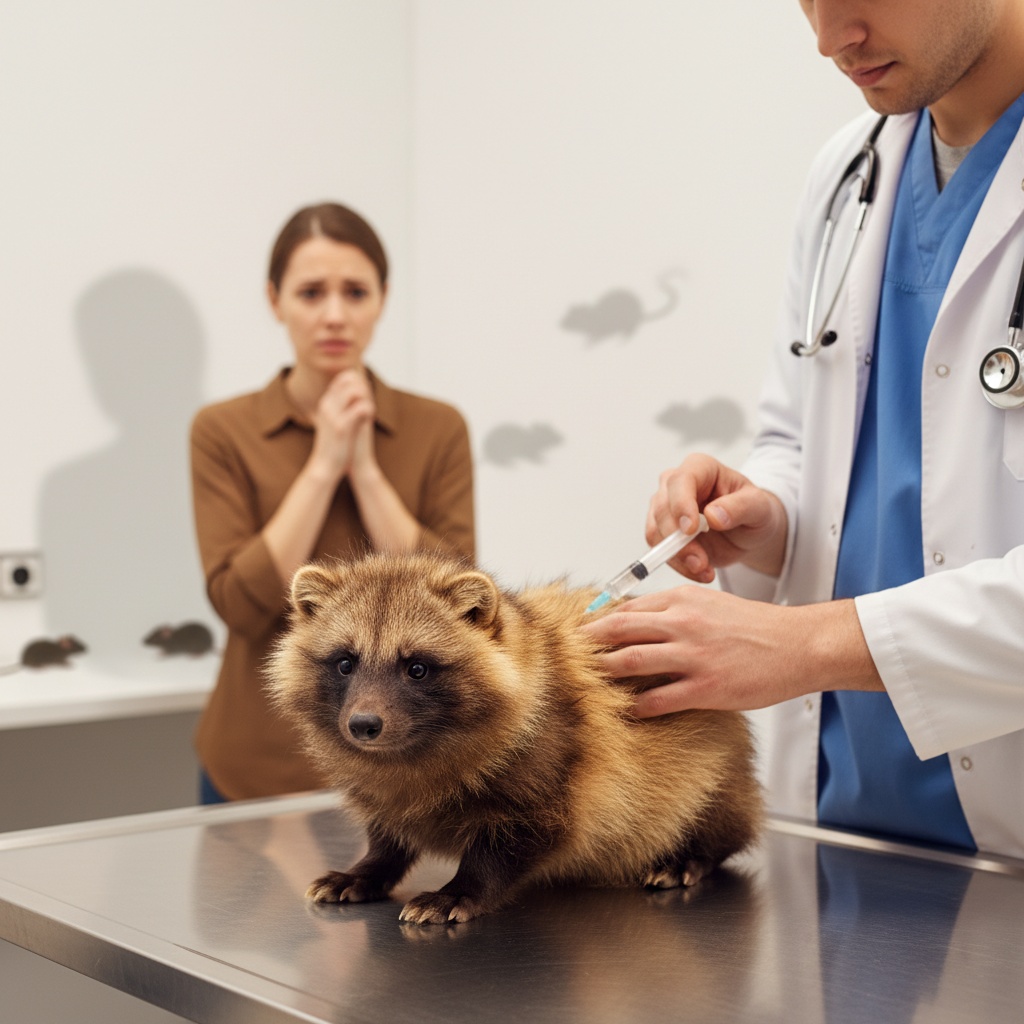
The provided data encompasses detailed information on two significant zoonotic viral diseases—rabies and hantavirus—that pose ongoing public health challenges worldwide. Rabies is a fatal viral infection caused by the Lyssavirus genus, primarily transmitted via bites or scratches from infected mammals. Despite its near 100% mortality rate once clinical symptoms emerge, rabies is highly preventable through timely vaccination and post-exposure prophylaxis. The data highlights South Korea's experience with rabies linked mainly to raccoon dogs and notes the global distribution of rabies with persistent risk in Asia and Africa. The importance of pre-exposure vaccination schedules, including recent shifts toward shorter, effective regimens such as two-dose protocols, is emphasized as a strategic approach to protecting high-risk populations and travelers.
Similarly, the hantavirus data outlines its transmission from rodent hosts to humans, its geographical stratification into New World hantavirus pulmonary syndrome (HPS) and Old World hemorrhagic fever with renal syndrome (HFRS), and the absence of specific antiviral treatments. Clinical manifestations vary from flu-like symptoms to severe renal or pulmonary complications, underscoring the critical role of prevention through rodent control and environmental hygiene. Although hantavirus infections are comparatively rarer, outbreaks have demonstrated substantial fatality rates, accentuating the need for robust epidemiological surveillance and preventive measures.
Integrated analysis of both diseases underscores the critical importance of vaccination—both pre-exposure and post-exposure—for rabies, contrasted with preventive strategies focused on rodent control and habitat management for hantavirus due to lack of licensed vaccines. Economic considerations also emerge, such as the cost variability in rabies vaccination (ranging from $15-$40 per dog vaccine to up to several thousand dollars for human PEP in certain regions), highlighting access disparities. Advances in prolonged immunity from purified chick embryo cell (PCEC) rabies vaccines, assessed over 10 years, and updated vaccination guidelines reveal a trend toward more efficient immunization protocols, aligning with global public health goals. Overall, the data points to evolving strategies in managing zoonotic diseases leveraging vaccination science, targeted risk communication, and integrated surveillance.
Rabies is a viral zoonosis caused by viruses in the Lyssavirus genus, transmitted primarily through saliva via animal bites or scratches. It affects the central nervous system and is nearly always fatal once symptoms appear. The disease circulates globally except Antarctica, with Asia and Africa bearing the heaviest human caseloads. In South Korea, rabies cases since 1993 are mainly associated with raccoon dogs (Nyctereutes procyonoides). Recent outbreaks in Asia, such as in Malaysia and Taiwan (linked to ferret badgers), have caused loss of rabies-free status in these countries, underscoring regional challenges in control.
Clinically, symptoms typically onset 1-3 months post-exposure but can appear sooner, starting with fever and localized pain progressing to neurological symptoms such as anxiety, convulsions, and paralysis. Without prompt treatment, death ensues within weeks. Prevention involves avoiding contact with wild or feral animals and immediate wound cleaning followed by vaccination. South Korea’s advanced healthcare ensures rapid access to vaccines and treatment, positioning it well in combating the disease. Molecular epidemiology, including nucleocapsid gene analyses, helps trace outbreak sources and informs control strategies.
Rabies vaccination costs vary widely by recipient and geography. For dogs, the vaccine costs between $15 and $40, encompassing initial doses around 12-16 weeks of age and subsequent boosters every 1-3 years as required by law. Dog vaccination is critical both for animal health and to break transmission chains to humans.
Human rabies vaccination is considerably more expensive, ranging from $200 to $3,000 depending on treatment stage and healthcare context. Pre-exposure prophylaxis (PrEP) typically involves a series of three doses spaced over weeks, while post-exposure prophylaxis (PEP) requires immediate, urgent administration of additional vaccine doses plus rabies immune globulin, increasing costs significantly. Variability in vaccine cost is driven by production complexities, storage requirements, and healthcare infrastructure, impacting accessibility globally.
Recent clinical studies demonstrate that purified chick embryo cell (PCEC) rabies vaccine offers durable immunity, with up to 62% of unboosted participants maintaining adequate rabies virus neutralizing antibody (RVNA) titers 10 years post-vaccination. The booster dose safety profile remains favorable, and boosters are effective for those with declining antibody levels. This reinforces the vaccine’s role in long-term protection in high-risk populations.
Guideline updates, such as the Australian Technical Advisory Group on Immunisation (ATAGI) December 2023 recommendation, advocate for a 2-dose PrEP schedule as an alternative to the traditional 3-dose regimen. These schedules differ by administration route and population suitability, e.g., intramuscular vs. intradermal routes, and are tailored by age and immunocompromised status. The 2-dose regimen offers short-term protection beneficial for travelers to endemic areas and reduces logistical vaccination burdens, marking progress in public health rabies prevention.
Hantaviruses are rodent-borne viruses causing two main clinical syndromes: hantavirus pulmonary syndrome (HPS) prevalent in the Americas and hemorrhagic fever with renal syndrome (HFRS) common in Europe and Asia. Transmission primarily occurs by inhaling aerosolized rodent secretions (urine, feces, saliva) or direct contact. Human-to-human transmission is rare or unreported for most hantavirus species, with exceptions like the Andes virus under controlled conditions.
Symptoms emerge typically within 1-5 weeks post-exposure, often resembling influenza (fever, headache, nausea) but can escalate to severe kidney or lung involvement, acute shock, and multiorgan failure requiring critical care. Treatment remains supportive due to lack of specific antivirals. In the U.S., rodent reservoirs such as deer mice carry New World hantaviruses, while Norway rats harbor Seoul virus in North America.
Prevention strategies focus on rodent control, environmental sanitation, protective gear use during cleaning rodent-infested areas, and public education. Despite limited cases, hantavirus has caused significant outbreaks with fatality rates up to 38%, stressing the importance of epidemiological vigilance.